
New Delhi: The Delhi government has rolled out Delhi EV Policy 2.0 & Charging Infrastructure Push, a major upgrade to its electric mobility roadmap aimed at accelerating EV adoption across the capital. The revised framework focuses heavily on expanding public charging infrastructure, strengthening subsidies, and making electric vehicles more practical for everyday users.
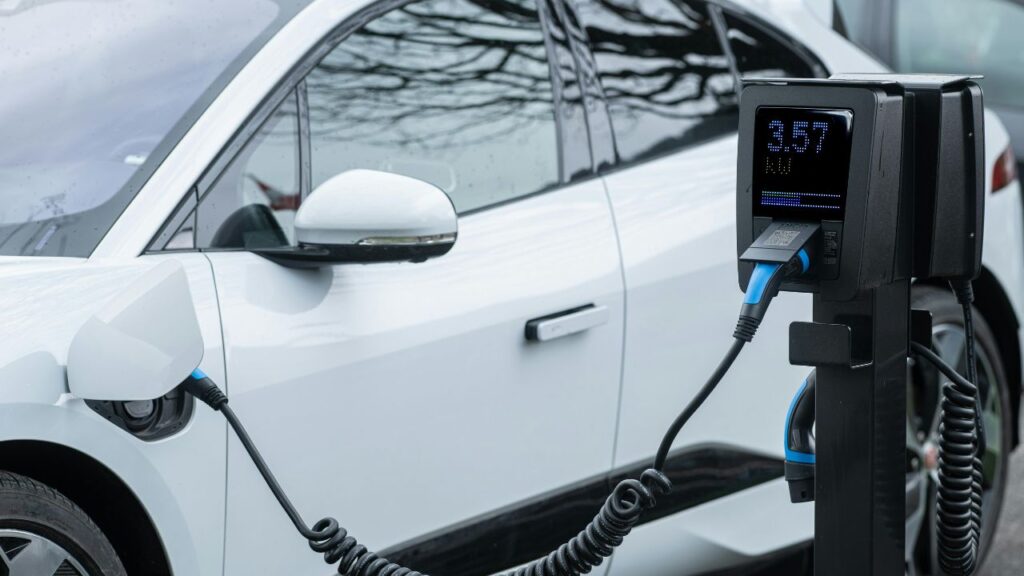
With air pollution concerns rising and EV demand increasing nationwide, the updated policy signals Delhi’s intent to remain India’s leading electric mobility hub.
What Is Delhi EV Policy 2.0 2026?
The Delhi EV Policy 2.0 & Charging Infrastructure Push is the government’s next-phase strategy to increase the share of electric vehicles in new registrations while building a robust city-wide charging network.
Officials say the updated plan focuses on:
- Large-scale deployment of public EV charging stations
- Incentives for residential charging installation
- Financial benefits for private EV buyers
- Stronger push for commercial fleet electrification
- Infrastructure mandates for new buildings
The policy aims to remove two major adoption barriers: high upfront cost and limited charging access.
Massive Charging Infrastructure Expansion Announced
One of the biggest highlights of Delhi EV Policy 2.0 is its infrastructure-first approach. Authorities plan to significantly increase the number of charging points across:
- Metro stations
- Shopping malls
- Office complexes
- Petrol pumps
- Government properties
- Residential housing societies
Fast-Charging Corridors
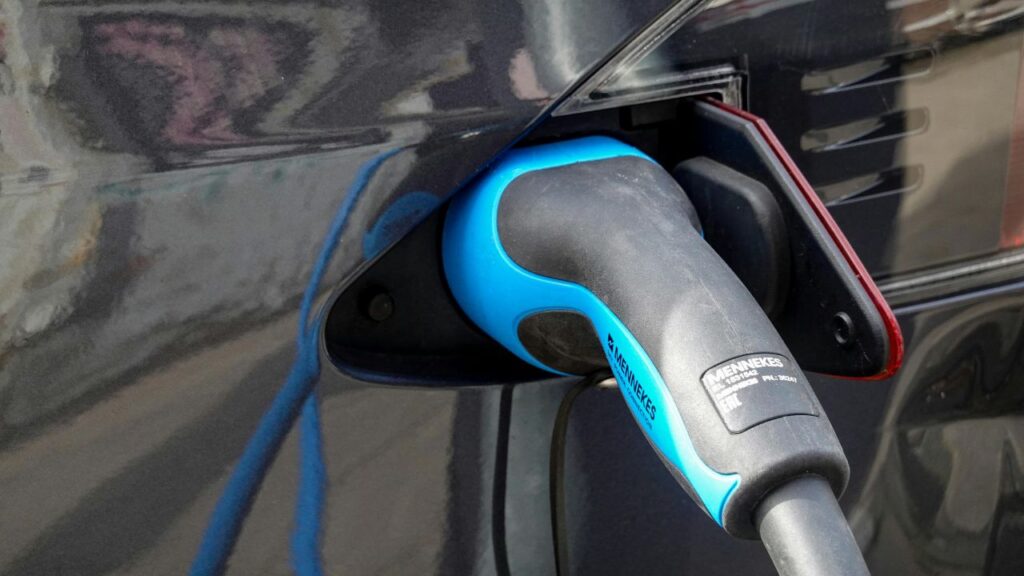
The government is also working on high-speed EV charging corridors along major roads and NCR-connected routes, enabling faster charging times and smoother intercity travel.
Industry experts believe this infrastructure push will directly reduce “range anxiety” among first-time EV buyers.
Subsidies & Financial Incentives Continue
While infrastructure is the primary focus, subsidies remain a key component of Delhi EV Policy 2.0.
Expected Benefits Include:
- Purchase incentives for electric two-wheelers
- Registration fee and road tax exemptions
- Incentives for electric auto-rickshaws and taxis
- Support for commercial fleet operators
- Installation subsidies for private charging units
For buyers, this means lower upfront costs and improved total cost of ownership.
Delhi EV Policy 2.0 vs Previous Policy
| Feature | Previous EV Policy | EV Policy 2.0 |
|---|---|---|
| Charging Network | Limited coverage | Rapid expansion plan |
| Residential Charging | Basic approvals | Simplified & incentivized |
| Fleet Electrification | Encouraged | Aggressively targeted |
| Infrastructure Mandates | Minimal | New building compliance focus |
The second version clearly prioritizes infrastructure depth and long-term sustainability.
What This Means for EV Buyers in Delhi
For general consumers, the updated policy could make EV ownership significantly easier.
Key Impacts:
- More charging stations within residential reach
- Faster charging times
- Reduced waiting queues
- Lower long-term running costs
- Increased convenience for apartment dwellers
Industry observers say Delhi may soon have one of the densest EV charging networks in India.
Environmental & Economic Impact
Delhi’s air quality remains a pressing issue. Policymakers expect the Delhi EV Policy 2.0 & Charging Infrastructure Push to:
- Reduce vehicular emissions
- Cut urban noise pollution
- Encourage sustainable urban mobility
- Boost local EV ecosystem growth
As EV penetration rises, the capital could set a benchmark for other Indian states.
Why This Update Is Significant in 2026
The timing of the policy update is crucial. With:
- Growing EV sales nationwide
- Increased consumer awareness
- Falling battery costs
- Rising fuel prices
Delhi’s aggressive charging infrastructure expansion could accelerate the transition to electric mobility faster than expected.
Experts believe early EV adopters in Delhi will benefit the most as infrastructure becomes widely accessible.
FAQ – Delhi EV Policy 2.0 & Charging Infrastructure Push
1. What is the main objective of Delhi EV Policy 2.0?
To expand charging infrastructure and increase EV adoption across Delhi.
2. Will there be more public EV charging stations?
Yes, large-scale expansion is a key focus of the new policy.
3. Are EV buyers getting subsidies?
Yes, incentives continue for private and commercial buyers.
4. Can apartment residents install EV chargers?
The policy simplifies residential charger installation processes.
5. Does this apply to two-wheelers as well?
Yes, electric scooters and motorcycles are covered under the policy.
Final Words
The Delhi EV Policy 2.0 & Charging Infrastructure Push marks a decisive shift toward infrastructure-driven EV growth. With stronger charging access and continued financial incentives, Delhi appears set to accelerate its electric transition faster than many other states.
For buyers considering an electric vehicle, the capital may now be one of the most EV-friendly cities in India.
Read More: Electric Vehicle in India – Growth, Benefits, Examples & Future 2026 Guide