
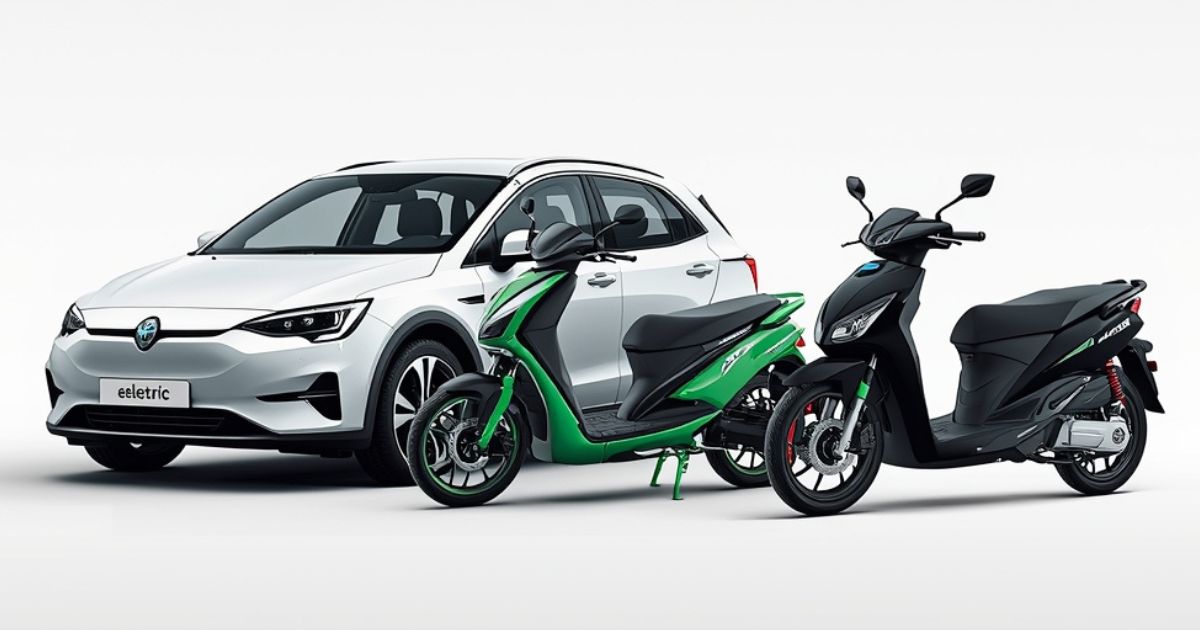
Electric Vehicle in India is no longer just a trend in metro cities. It is slowly becoming a common sight on Indian roads. From electric scooters used for daily office travel to electric cars used by families, the EV revolution is clearly visible in 2026.
With rising petrol and diesel prices, increasing pollution, and strong government support, more people are now considering electric vehicles as a smart alternative. In this article, we will explain everything about Electric Vehicle in India, including types, benefits, real examples, costs, challenges, and future growth.
What is Electric Vehicle in India?
An Electric Vehicle (EV) is a vehicle that runs on electricity instead of petrol or diesel. It uses a battery pack to store energy and an electric motor to move the vehicle.
Unlike traditional vehicles, EVs:
- Do not have a fuel tank
- Do not produce exhaust smoke
- Require less maintenance
Electric Vehicle in India works on a simple system. The battery supplies electricity to the motor, and the motor rotates the wheels. When the battery gets low, you recharge it using a charger at home or at a public charging station.
Types of Electric Vehicle in India
There are different types of electric vehicles available in the Indian market.
1. Battery Electric Vehicles (BEVs)
These vehicles run completely on electricity. They do not use petrol or diesel at all.
- Tata Nexon EV – One of the best-selling electric SUVs in India. It offers good range and strong build quality.
- MG ZS EV – A premium electric SUV with advanced features and long driving range.
- Tata Tiago EV – One of the most affordable electric cars in India.
- Mahindra XUV400 – A spacious electric SUV with good performance.
These vehicles are ideal for city driving and daily use.
2. Hybrid Electric Vehicles (HEVs)
Hybrid vehicles use both petrol and electricity. The battery charges automatically while driving.
Example:
- Toyota Innova Hycross – A popular hybrid MPV that offers better fuel efficiency than regular petrol models.
Hybrid vehicles are good for people who want fuel savings without worrying about charging stations.
3. Electric Two-Wheelers
Electric scooters and bikes are leading the Electric Vehicle in India market.
- Ola S1 Pro – Known for modern features and long range.
- Ather 450X – Popular for performance and smart dashboard.
- TVS iQube – A reliable electric scooter from a trusted brand.
- Bajaj Chetak Electric – A stylish electric scooter with premium build quality.
Electric scooters are affordable and perfect for daily commuting.
Growth of Electric Vehicle in India
The growth of Electric Vehicle in India has been very strong in recent years. Electric two-wheelers are selling in large numbers, especially in cities like Delhi, Bangalore, and Mumbai.
Reasons behind this growth:
- High petrol prices
- Government subsidies
- Improved battery range
- Increased charging stations
- Growing environmental awareness
Many companies are investing heavily in EV manufacturing and battery production in India.
Government Support for Electric Vehicle in India
The Indian government is actively promoting EV adoption.
Key support measures include:
- FAME scheme (subsidy for EV buyers)
- Lower GST on electric vehicles
- Road tax exemptions in many states
- Incentives for setting up charging stations
These benefits reduce the overall cost of owning an Electric Vehicle in India.
Benefits of Electric Vehicle in India
1. Lower Running Cost
Electricity costs much less than petrol or diesel. Charging at home is cheaper than refueling.
2. Low Maintenance
No engine oil, no clutch, and fewer moving parts mean lower service costs.
3. Eco-Friendly
Electric vehicles reduce air pollution since they do not emit harmful gases.
4. Smooth Driving Experience
EVs provide instant torque and silent driving.
5. Long-Term Savings
Even if the initial price is higher, long-term savings on fuel and maintenance are significant.
Challenges of Electric Vehicle in India
Despite many benefits, there are some challenges:
- Limited charging stations in rural areas
- Higher upfront cost
- Charging time is longer than fuel refilling
- Battery replacement cost can be expensive
However, technology is improving every year.
Charging Infrastructure for Electric Vehicle in India
Charging options include:
Home Charging
Most EV owners charge their vehicles overnight at home.
Public Charging
Public charging stations are increasing in metro cities and highways.
Fast Charging
Fast chargers can charge up to 80% in less than an hour in many models.
The charging network is expanding quickly, making Electric Vehicle in India more practical.
Cost Comparison: Electric Vehicle vs Petrol Vehicle
| Feature | Electric Vehicle | Petrol Vehicle |
|---|---|---|
| Running Cost | Low | High |
| Maintenance | Low | Higher |
| Pollution | Zero tailpipe | High |
| Fuel Type | Electricity | Petrol/Diesel |
Future of Electric Vehicle in India
The future of Electric Vehicle in India looks very promising. The government aims to increase EV adoption significantly by 2030.
We can expect:
- More affordable electric cars
- Better battery range
- Faster charging technology
- More rural charging stations
- Growth in electric buses and trucks
Major car manufacturers are planning to launch more electric models in the coming years.
Conclusion
Electric Vehicle in India is changing the way people think about transportation. With lower running costs, government support, and rising fuel prices, EVs are becoming a smart choice for many buyers.
Examples like Tata Nexon EV, Tata Tiago EV, Ola S1 Pro, and Ather 450X show that electric mobility is no longer limited to expensive models. Affordable options are now available for common buyers.
Although challenges like charging infrastructure still exist, the overall future of Electric Vehicle in India is bright. If you are planning to buy a new vehicle in 2026, considering an EV could be a practical and future-ready decision.
If you want, I can now create a meta description, FAQ schema, or feature image prompt for this article.
Read more: Maruti Suzuki e-Vitara Electric SUV