
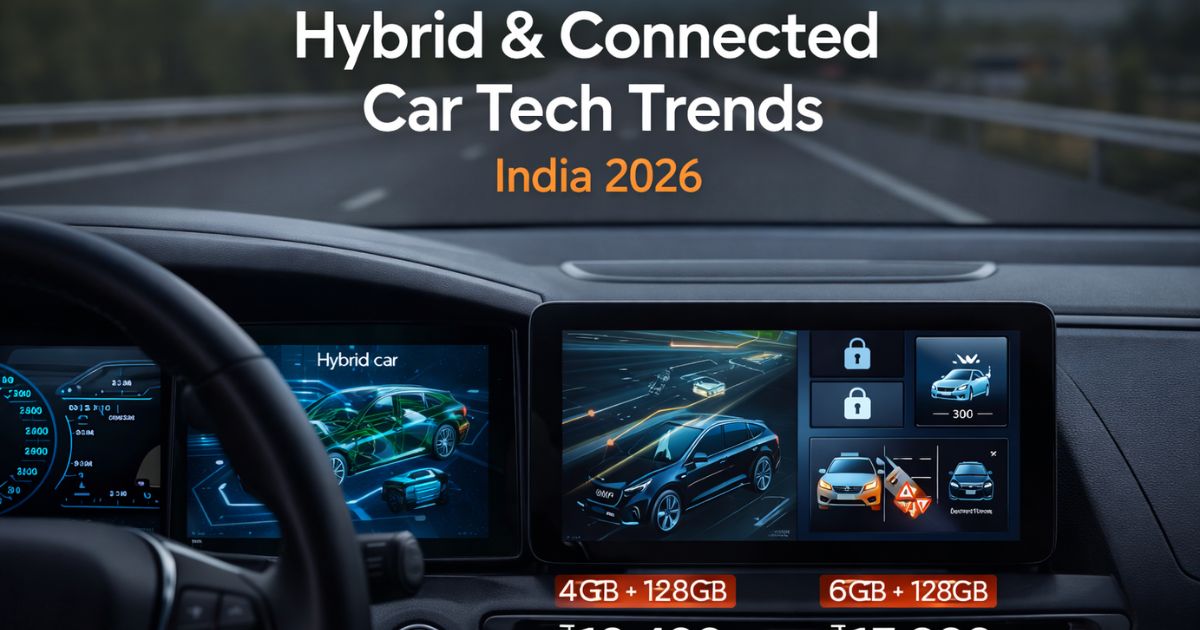
If you’re planning to buy a new car in 2026, understanding Hybrid & Connected Car Tech Trends is no longer optional — it’s essential. Indian car buyers are now looking beyond mileage and price. Features like self-charging hybrid engines, real-time vehicle tracking, remote start, OTA updates, ADAS safety, and smartphone integration are becoming key decision factors.
In this detailed guide, we’ll break down the latest Hybrid & Connected Car Tech Trends in India, explain how they work, compare technologies, and help you decide whether they’re worth paying for.
What Are Hybrid & Connected Car Tech Trends?
Let’s simplify it.
Hybrid Cars
Hybrid cars combine:
- Petrol engine
- Electric motor
- Battery pack
They improve:
- Fuel efficiency
- Lower emissions
- Smooth city driving
Connected Cars
Connected cars use:
- Internet connectivity
- Telematics control units (TCU)
- Cloud-based services
- Smartphone apps
They offer:
- Remote lock/unlock
- Live tracking
- OTA updates
- Voice commands
- Emergency SOS
Hybrid Car Technology Trends in India (2026)
India is not fully ready for EV dominance yet — charging infrastructure is still growing. That’s why hybrid cars are becoming popular.
Strong Hybrid Systems Gaining Popularity
Strong hybrids can run:
- On electric-only mode (low speeds)
- Petrol engine
- Or both together
Why Indians Prefer Strong Hybrids:
- No charging tension
- 20–28 km/l mileage
- Better city fuel efficiency
- Smooth traffic driving
Popular Hybrid Examples in India:
Mild Hybrid Tech Becoming Standard
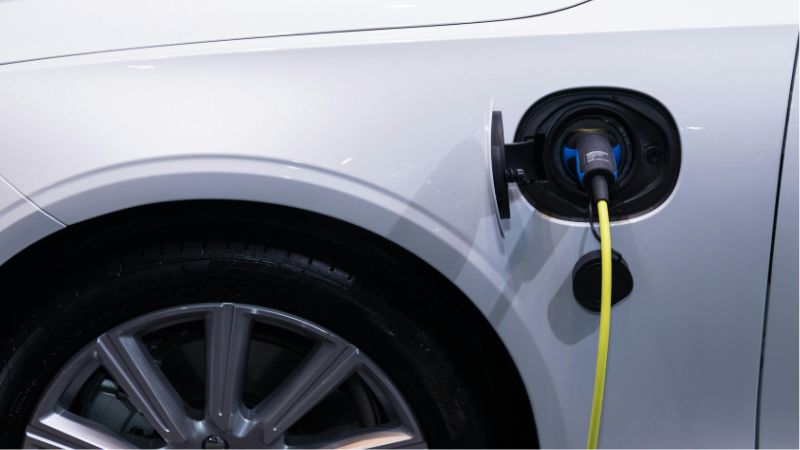
- Use small battery assist
- Improve fuel efficiency slightly
- Lower cost than strong hybrids
Common in:
- Mid-range SUVs
- Diesel variants
Regenerative Braking Improvements
Modern hybrid cars now feature:
- Improved regenerative braking
- Faster battery recharge
- Better energy recovery in city traffic
Perfect for:
- Stop-and-go urban driving in India
Read More : New EV Launches in India March 2026 Checklist – The Ultimate Guide to Confident EV Buying
Connected Car Technology Trends in India
Connected tech is now expected even in ₹10–15 lakh cars.
OTA (Over-the-Air) Updates
Just like smartphones, cars now get:
- Software upgrades
- Bug fixes
- Feature additions
- Navigation updates
No service center visit required.
Advanced Driver Assistance Systems (ADAS)
ADAS is becoming mainstream.
Features include:
- Adaptive cruise control
- Lane keep assist
- Blind spot monitoring
- Automatic emergency braking
- 360-degree camera
Indian highways are slowly seeing more ADAS-ready vehicles.
AI-Powered Infotainment Systems
Modern connected cars offer:
- Voice assistant integration
- Natural language commands
- Wireless Android Auto & Apple CarPlay
- Large touchscreen displays (10–15 inch)
Smartphone-Controlled Features
Through car apps, users can:
- Lock/unlock doors remotely
- Check fuel level
- Turn on AC before entering
- Track stolen vehicle
- Geo-fence alerts
This is highly useful for:
- Family cars
- Safety-conscious buyers
Hybrid vs Electric vs Petrol – Quick Comparison
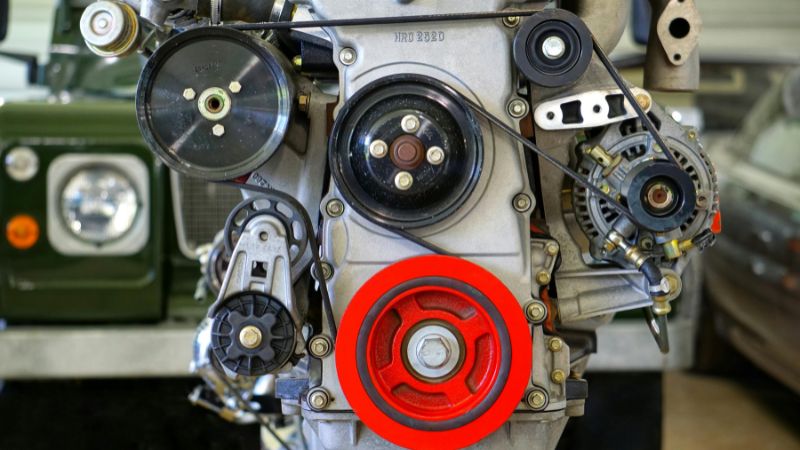
| Feature | Hybrid | Electric | Petrol |
|---|---|---|---|
| Fuel Efficiency | Very High | Extremely High | Moderate |
| Charging Required | No (Self-charging) | Yes | No |
| Running Cost | Low | Lowest | Higher |
| Upfront Cost | High | Highest | Lowest |
| Ideal For | City + Highway | City Use | Budget buyers |
| Maintenance | Moderate | Low | Moderate |
Hybrid cars currently offer the best balance in India.
Read More: Tata Sierra EV Launch Best Guide – Price, Range & Rivals in India
Why Hybrid & Connected Car Tech Trends Are Growing in India
Here’s why these technologies are booming:
Traffic Conditions
Indian city traffic favors:
- Electric assist
- Regenerative braking
- Stop-start efficiency
Rising Fuel Prices
Hybrids reduce fuel consumption significantly.
Digital Lifestyle Shift
Buyers now expect:
- Smartphone integration
- App connectivity
- Smart dashboards
Safety Awareness
ADAS demand is increasing among:
- Family buyers
- Highway commuters
Upcoming Hybrid & Connected Car Innovations (2026–2027)
India is expected to see:
- More affordable strong hybrids under ₹15 lakh
- AI-based driver monitoring systems
- Built-in 5G connectivity
- Subscription-based car features
- Cloud-based vehicle diagnostics
- Predictive maintenance alerts
Are Hybrid & Connected Cars Worth Buying in 2026?
Let’s break it down.
Choose Hybrid If:
- You want better mileage
- You don’t want charging hassles
- You drive daily in traffic
Choose Connected Car Tech If:
- You love smart features
- You want safety tech like ADAS
- You prefer app-controlled vehicles
Most new mid-range SUVs now combine both.
Buying Checklist for Indian Buyers
Before buying a hybrid or connected car:
Check hybrid type (mild or strong)
Confirm ADAS level (Level 1 or Level 2)
Check OTA update support
Verify app compatibility
Compare real-world mileage
Look for warranty on hybrid battery
FAQs – Hybrid & Connected Car Tech Trends
1. Are hybrid cars better than petrol cars in India?
Yes, hybrids offer better fuel efficiency and lower emissions, especially in city traffic.
2. Do hybrid cars need charging?
No, strong hybrids are self-charging through regenerative braking.
3. Is ADAS useful in India?
Yes, especially on highways. It improves safety and reduces driver fatigue.
4. Are connected car features safe?
Yes, most use encrypted cloud systems and secure telematics.
5. Are hybrid cars expensive to maintain?
Battery warranty usually covers 5–8 years, making maintenance manageable.
Read More : Top Upcoming Car Launch India 2026: Complete Guide for Buyers